
Replacing an end-of-life treatment system beside Lake Wakatipu with a plant that meets a new discharge consent and protects the lake.
- Client
- Lakeside Estates Home Owners Association
- Services
- Options assessment, wastewater design, consenting, construction observation
- Location
- Kingston Road, Queenstown
- Scale
- 36 lots · 36,000 L/day · 5,000 m² disposal area
- Status
- Complete 2018
01 / Project overview
The brief
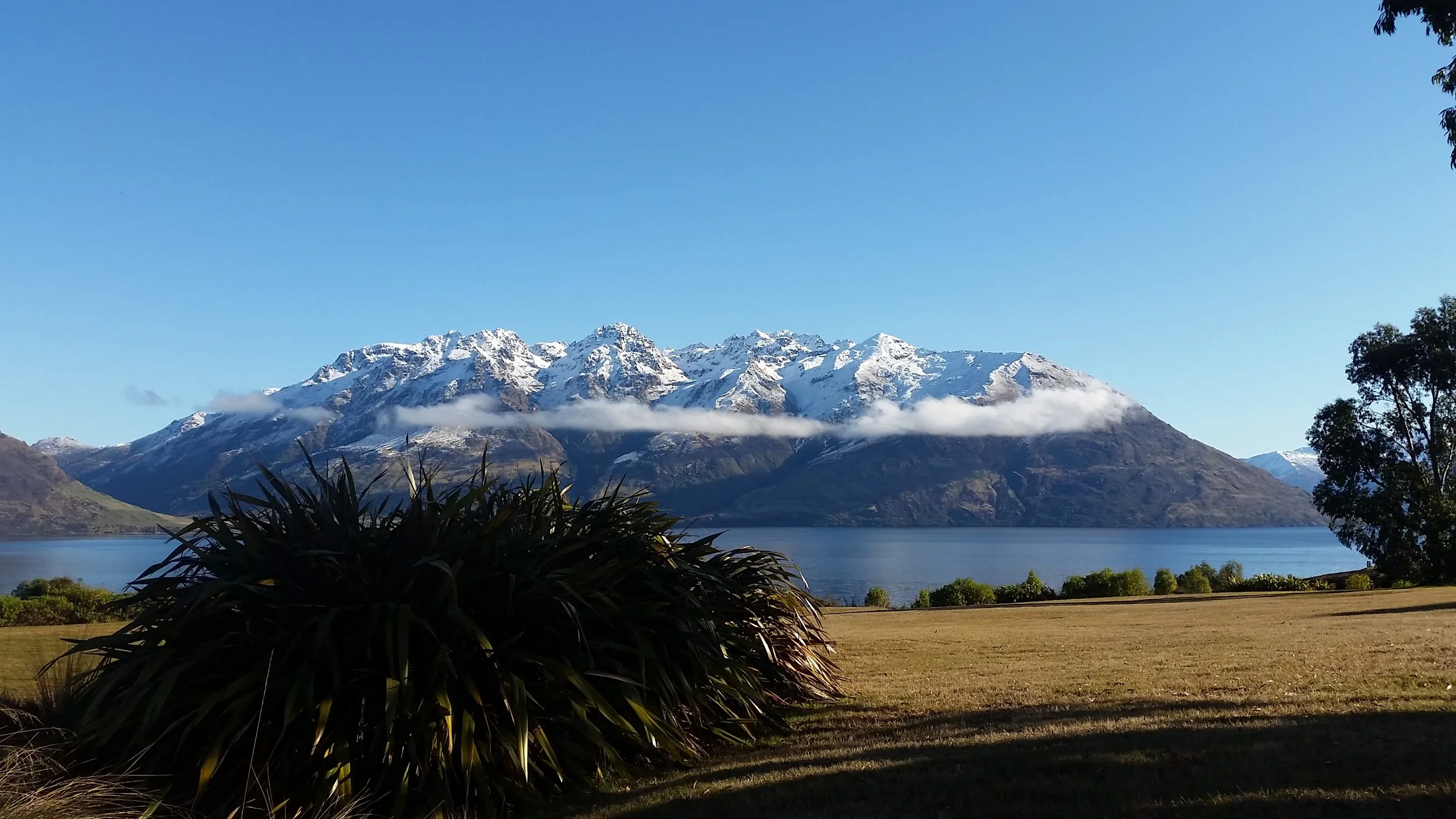
The 36-lot, 26 ha Lakeside Estates subdivision beside Lake Wakatipu was served by a sand filter treatment system and disposal field at the end of its life, which could not meet the conditions of a new Otago Regional Council discharge consent. With the lake right next door, the risk to the receiving environment was exceptionally high.
We were main consultant, led by Project Manager Linda Norman with Civil Engineer Brett Chick. The consent deadline was fixed, much of the work fell in the peak occupancy period, and the plant sits beside the community tennis courts – so disruption to residents had to be kept to a minimum.
02 / Our approach
How we delivered it
Choosing the right system
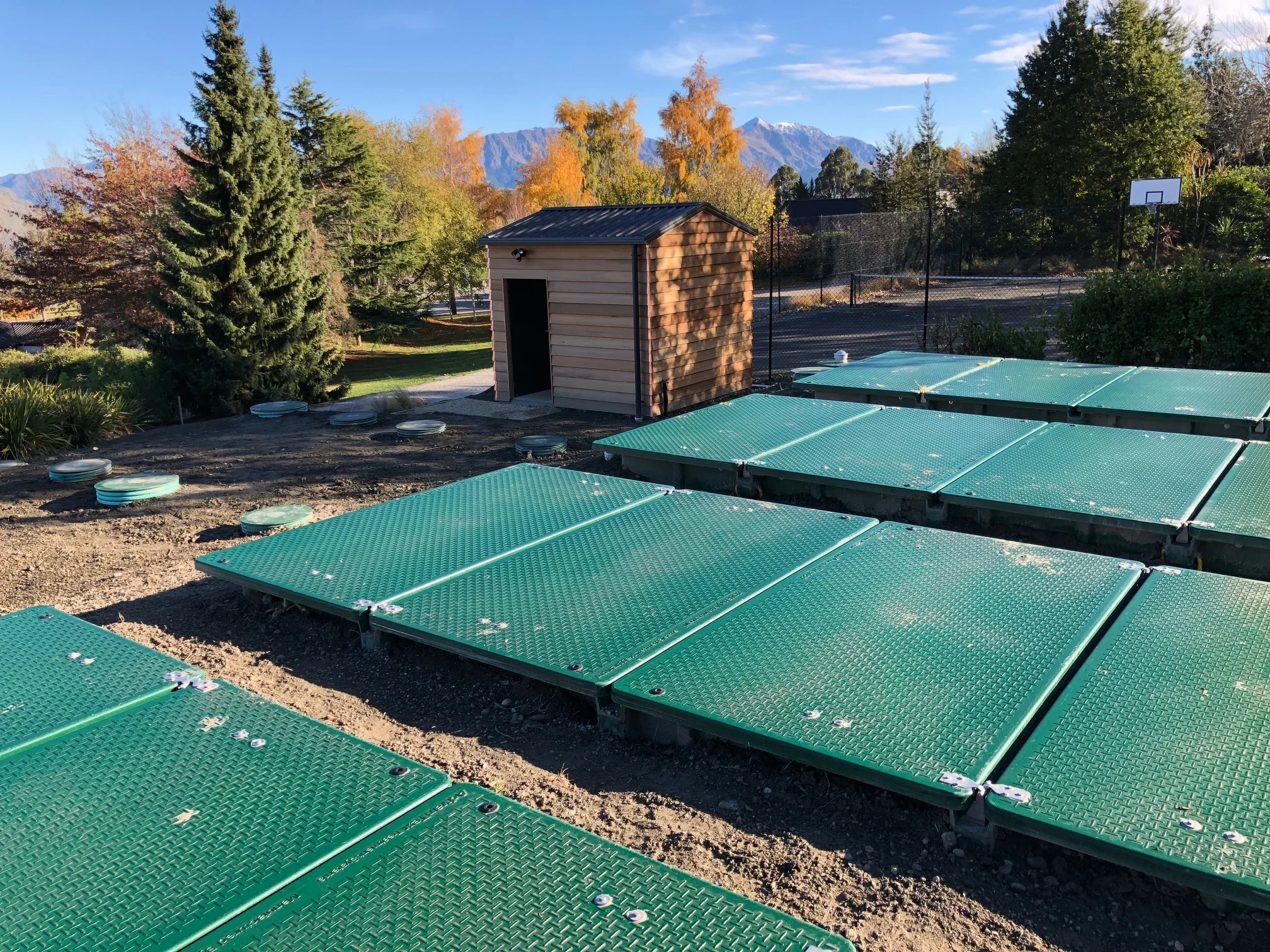
We assessed treatment options on quality, longevity and whole-of-life capital and operating cost over the 20-year consent term (adjusted for inflation), and on the track record of systems and suppliers in Central Otago’s climate. We presented the options to the Homeowners Association and recommended a recirculating textile packed bed reactor with UV disinfection, designed for 36,000 L/day and operating from –10°C to +30°C.
Reticulation over difficult ground
New reticulation includes a pumped main over 500 m long with a 35 m elevation change. Fibre-optic conduit was laid in the same trench as the wastewater pipe, avoiding a second dig. On erodible glacial alluvium, till and rock flour soils, our earthworks and erosion and sediment controls meant no sediment left the site.
A disposal field built for winter
We re-contoured the 5,000 m² disposal area to remove steep areas and minor flow paths that would cause effluent to pool, and had it replanted before the end of May so vegetation established before winter. Species were chosen with a local landscaper for nutrient uptake and evapotranspiration through the colder months. Weekly and monthly updates kept the Association informed, and Otago Regional Council and Queenstown Lakes District Council both approved the consent variations.
03 / The outcome
“Finished before the consent deadline with Code of Compliance issued, the plant achieves 85–90% ammonia reduction and 99% BOD and fecal coliform reduction, producing effluent suitable for future irrigation reuse – and it can be expanded if the community grows.”
05 / Gallery
■ Similar project?