
Seismic strengthening that gave Hobsonville Point's wartime hangars and workshops a new life, without losing the heritage character that makes them special.
- Client
- Hobsonville Land Co.
- Services
- Seismic assessment and strengthening
- Location
- Hobsonville Point, Auckland
- Scale
- 1.8 ha waterfront precinct
- Status
- Complete 2018
01 / Project overview
The brief
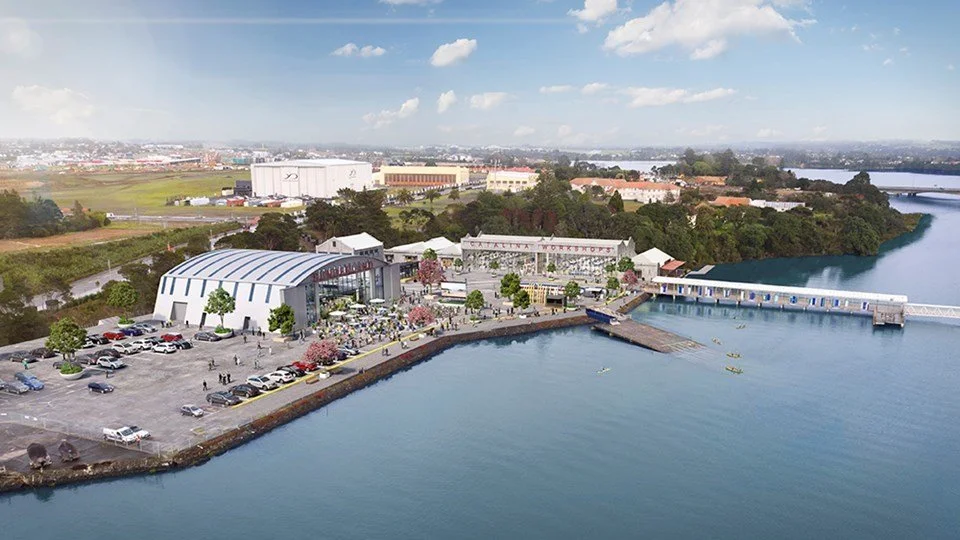
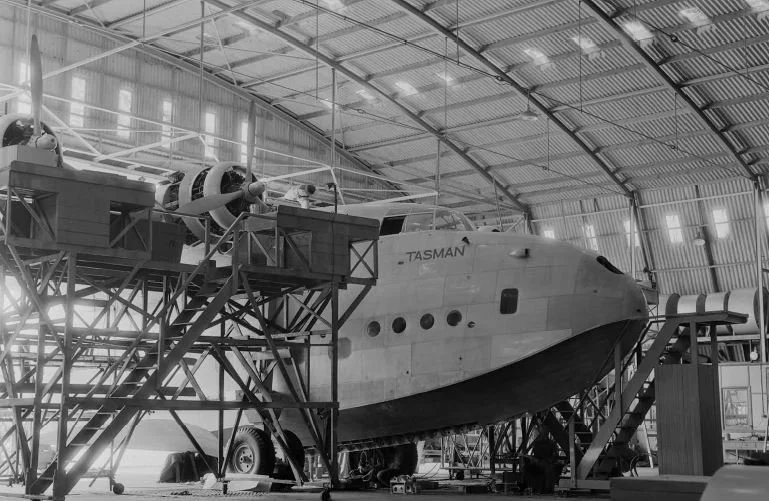
At the tip of Hobsonville Point, 1.8 hectares of north-facing waterfront once served as the hardstand for the Royal New Zealand Air Force base. The site was later renamed Catalina Bay to honour the Catalina flying boat squadron stationed there during the Second World War, and a multi-million dollar masterplan set out to turn it into a waterfront destination for retail, hospitality, commercial and residential use.
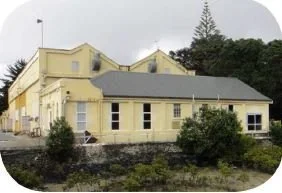
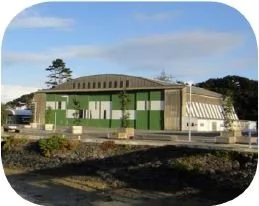
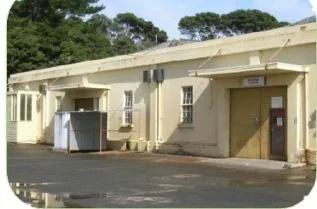
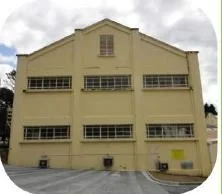
The original hangars and workshops were central to that vision. Our role was to bring these historic buildings up to a level of seismic performance suited to their new public uses, adding strength and capacity without changing their original design or appearance. The client and the local community were clear that the heritage features had to stay, so every strengthening decision had to work around the existing fabric rather than replace it.
02 / Our approach
How we delivered it
Understanding the existing structure
We built a 3D computer model of the buildings' lateral-resisting system to understand how the hangars and workshops would behave in an earthquake. This let us find where capacity was lacking and target strengthening where it was needed, rather than adding new structure across the board.
Critical component analysis
We analysed the seismic performance of critical components in depth. In older buildings, the overall system is often only as good as its weakest connection, so this detailed work shaped where and how new reinforcing went in.
Building around heritage fabric
Installing new reinforcement in an existing structure brings constant risk of clashes with what is already there. We developed site methods to place new reinforcing around the original structure, and used purpose-designed formwork so the new elements are strong and durable while respecting the buildings' original form and look.
03 / The outcome
“The hangars and workshops that once housed flying boats now shops, cafés and offices. Our strengthening gave them the seismic capacity for a new public life while keeping the heritage character that makes Catalina Bay a place people want to visit.”
04 / Gallery



■ Similar project?